
Searching Mahoning County Resident Records
Mahoning County has no single household roll. Start with the question. An address or owner lead belongs with the Auditor. A recorded transfer belongs with the Recorder. A public case needs the court that heard it. A past household is better matched to a dated directory, census, or newspaper. The Mahoning County residents directory works best when each source is treated as evidence for one limited point, not as a complete profile.
Keep the record date, spelling, and jurisdiction beside every result. A parcel can show a recorded ownership relationship while a directory can show a household in an edition year. Neither one confirms every person at an address. The useful route is a second independent record that agrees with the first.
- Search the Auditor by owner, parcel, or address when a property connection is known.
- Use the official Ohio voter tool only to verify an individual registration result.
- Follow a recorded party or legal description through the Recorder index and its public terminals.
- Use PLYMC or MVHS volumes for a past Mahoning County household and the correct year.
- Ask the custodian for an existing nonexempt record when the online route ends.
Mahoning County Resident Records Offices
Several Mahoning County offices hold pieces of a resident trail. The Auditor begins the parcel side. GIS adds map position and related layers. The Recorder holds recorded land documents. The Clerk and Probate Court keep separate court systems. The Board of Elections manages the local voter channel. Each office uses different search keys and has different privacy limits.
Mahoning County Auditor
120 Market Street, first floor
Youngstown, OH 44503
330-740-2010
Mahoning County Recorder
120 Market Street, first floor
Youngstown, OH 44503
330-740-2345
Mahoning County Board of Elections
345 Oak Hill Avenue, Entrance A
Youngstown, OH 44502
330-783-2474
For a Mahoning County address, county offices are usually stronger starting points than a city department. Youngstown records can still matter for city permits, health, code, or legislative material. The custodian that created the record remains the right place to confirm it.
Mahoning County Parcel Clues by Address
The Auditor’s Property Search accepts owner name, parcel number, and address. Its published street method is useful when a street is the lead: leave both house-number boxes blank, enter the street name, and omit the road suffix. A result is parcel and assessment information, not a list of people. It can be narrowed later with actual tax district, township, municipal, school-district, or neighborhood fields.
| Auditor field | Use in a Mahoning County search | Reading the result |
|---|---|---|
| Owner Name | Partial last name, last name, or last-first form | Points to a recorded owner relationship |
| Parcel Number | Enter the local identifier, retaining zeros when supplied | Opens the parcel card |
| House # and Street Name | One address, range, or whole street method | Finds tax-system parcels, not a household list |
| Location criteria | Tax district, township, municipal, school, or neighborhood | Filters property context rather than ZIP |
Use the county GIS and Tax Map after opening a parcel. GIS shows geometry, roads, districts, and related layers, but the county describes it as informational rather than a legal survey. The fuller address chain belongs on the Mahoning County By Street page.
See the Mahoning County GIS map viewer used for parcel work.
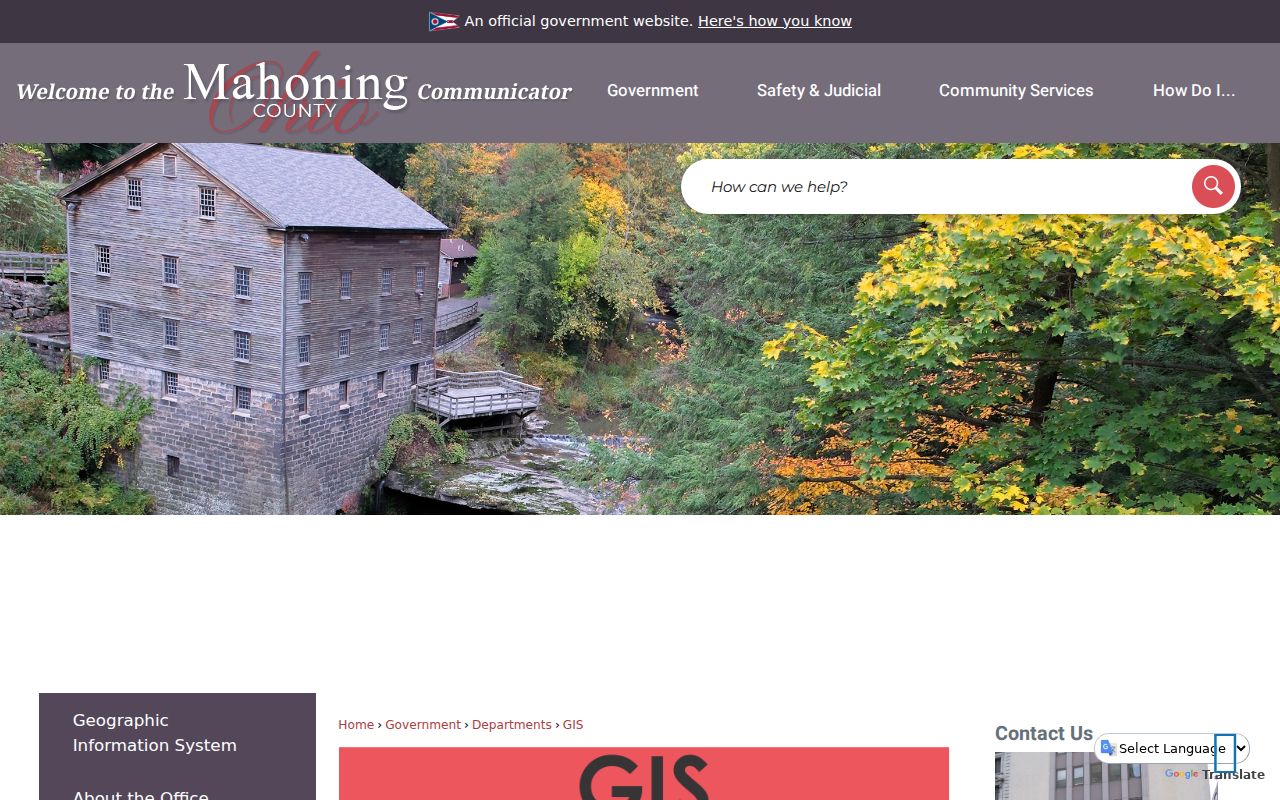
The map view adds location and layer context to a parcel record, but it does not establish a surveyed line or prove present occupancy.
- Parcel
- The tax-system identifier for a piece of property.
- Situs address
- The property location used by the assessment record.
- Deeded owner address
- The address recorded with the last ownership document, which can differ from the parcel location.
- Tax payer address
- The correspondence address for tax matters, which can also differ from the property location.
Mahoning County Deeds Connect Names
The Recorder’s index is the document step in a Mahoning County residents directory search. Start with the parcel card’s legal description, acquisition clue, and recorded owner. Then search the current party, date, document type, book/page, subdivision, or lot and block where the Recorder interface supports it. A grantor is the person transferring an interest; a grantee is the person receiving it. Those roles help move a title trail backward one recorded instrument at a time.
Online coverage has two official descriptions: Laredo says 1980-present, while another Recorder page describes electronic indexing from January 1985. Use 1985 as the safer web cutoff. For earlier work, the Recorder directs users to its thirteen public computers and older record material. Staff cannot conduct a record search for a requester without recording information.
View the Recorder online-access information before choosing web or counter research.
The Recorder provides a documented route to recorded instruments, while the public-terminal option remains important for older Mahoning County material.
Note: A recorded party or mailing detail must be matched to the legal description and date before it is treated as the same property trail.
Mahoning County Voter Verification Limits
Ohio’s My Voter Information tool is an individual verification route. It asks for first name, last name, and county. A matching public result can show permitted registration information, residence address, precinct, registration date, voting history, and last activity information. Voting history reports participation, not ballot choices. Use name variants and a known prior address with care, then corroborate the match in a second source.
ORC 3503.13 excludes identifiers, contact data, confidential registration records, protected worker addresses, citizenship proof, and other protected information. Safe at Home participants have additional confidentiality under ORC 111.44. Mahoning County voter material is not a street-by-street roster, and a missing result is not a reason to seek protected information through another path.
Current Mahoning County Resident Sources
Current sources answer different questions. The Mahoning County residents directory combines those sources as a routing tool, not as a claim that all residents appear in one public database. Start with the record that matches the connection being tested and preserve its limits.
| Mahoning County source | What it can show | Keeper | Access route |
|---|---|---|---|
| Auditor parcel card | Recorded owner, tax-payer, and deeded-address context | County Auditor | Property portal or counter |
| Recorder index | Parties to recorded transfers and document references | County Recorder | Laredo access or terminals |
| Voter tool | Permitted individual registration information | Ohio elections system | State or Mahoning lookup |
| Active inmate roster | Current custody booking information | County Sheriff | Public roster |
| Public staff directory | Official city staff contact details | City department | Department directory |
The Sheriff roster is limited to active inmates and related booking information. It is not a historical conviction database or a current-address list. Search the Mahoning County public inmate roster only for the purpose its official context supports.
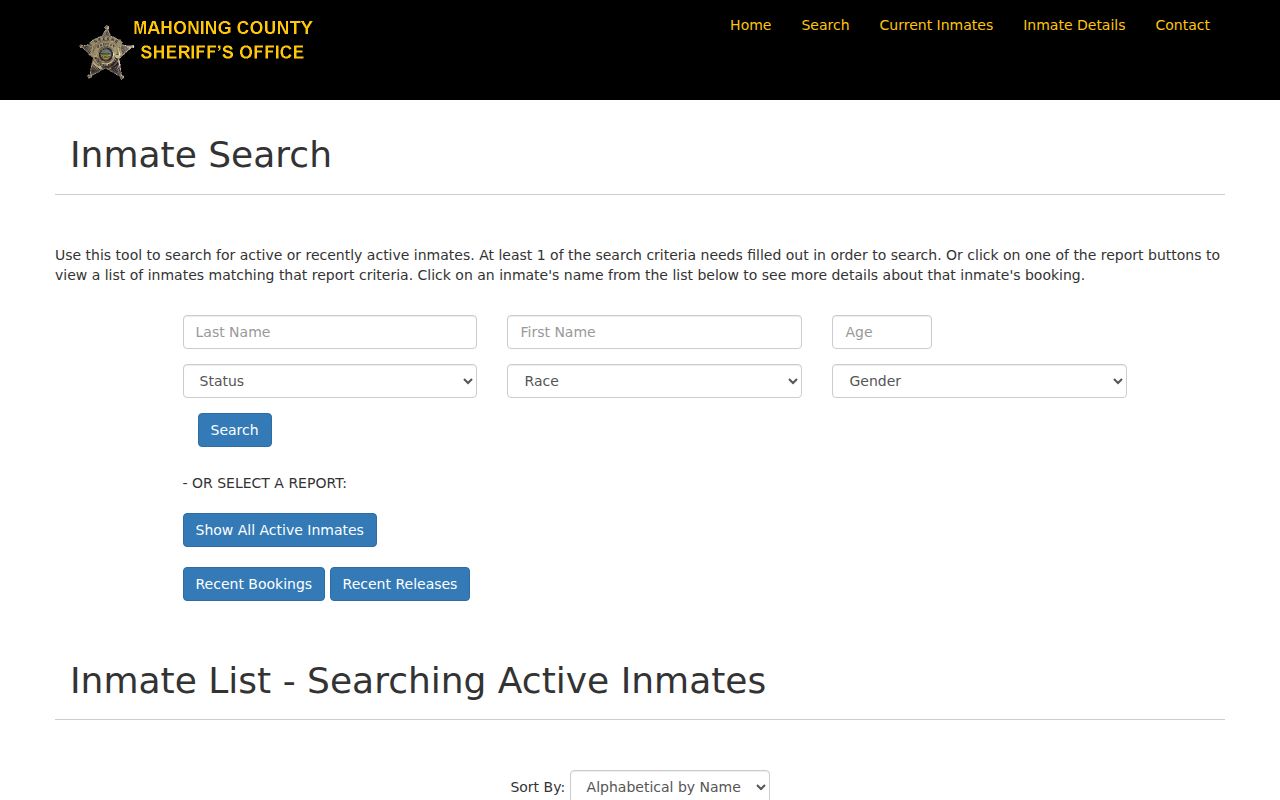
Booking data is operational custody information and should not be converted into a claim about where a person lives outside the jail record.
Mahoning County Court Name Paths
Courts are divided by jurisdiction. The Clerk-linked Common Pleas eCourts search is separate from Probate Smart Search, municipal court access, and federal PACER. A public docket can identify a case number, caption, party role, filing date, case type, event text, and status where entered. It is an index to a proceeding, not proof of identity or a complete case file.
Probate adds estate, guardianship, and marriage-related files. Search an estate with a decedent’s name or case number, then ask the court for a properly available record if a docket identifies a case. The Clerk counter, Probate counter, and court-specific copy rules are real fallback channels when an online view is incomplete. Sealed, juvenile, adoption, and other restricted records remain restricted.
Inspect the Mahoning County eCourts search to see the Common Pleas access route.
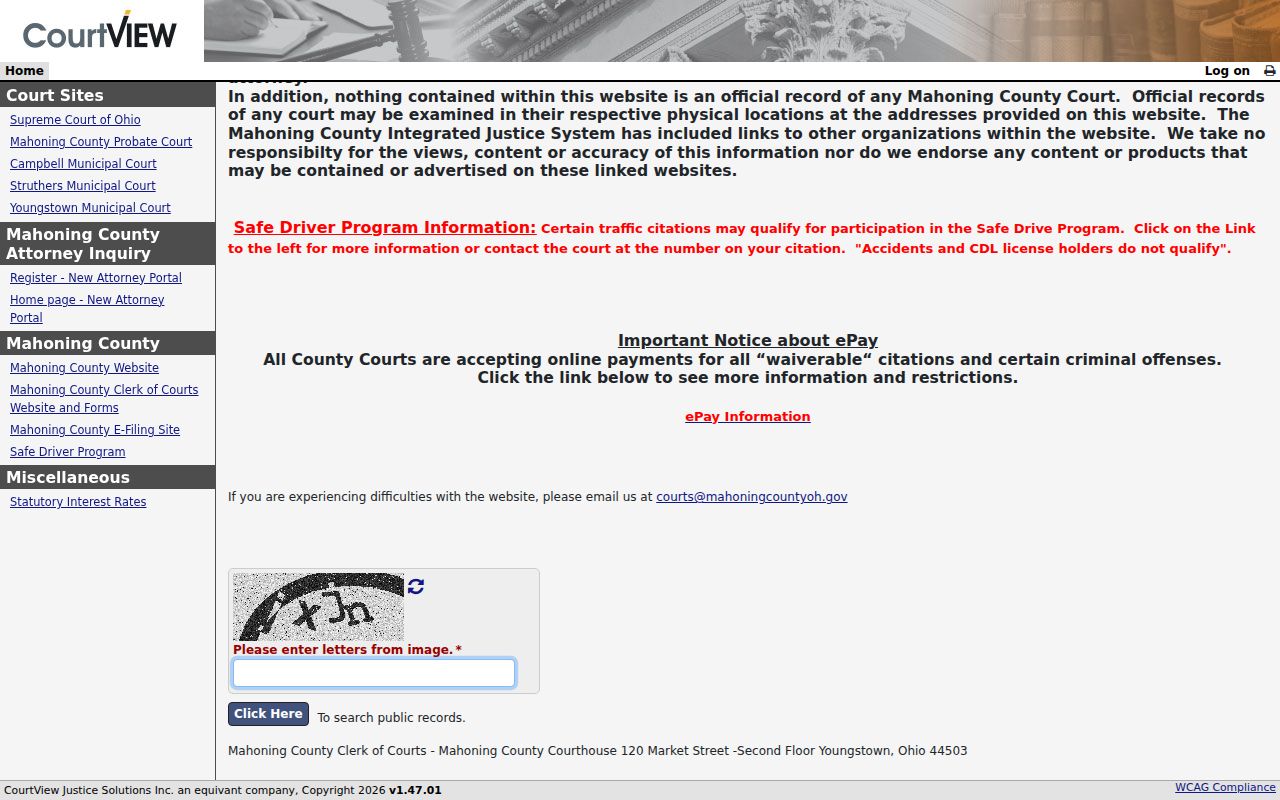
A court search must be tied to the proper division, party role, and case chronology before it can support a Mahoning County name match.
Probate uses a separate Tyler Smart Search portal for public index and docket access.
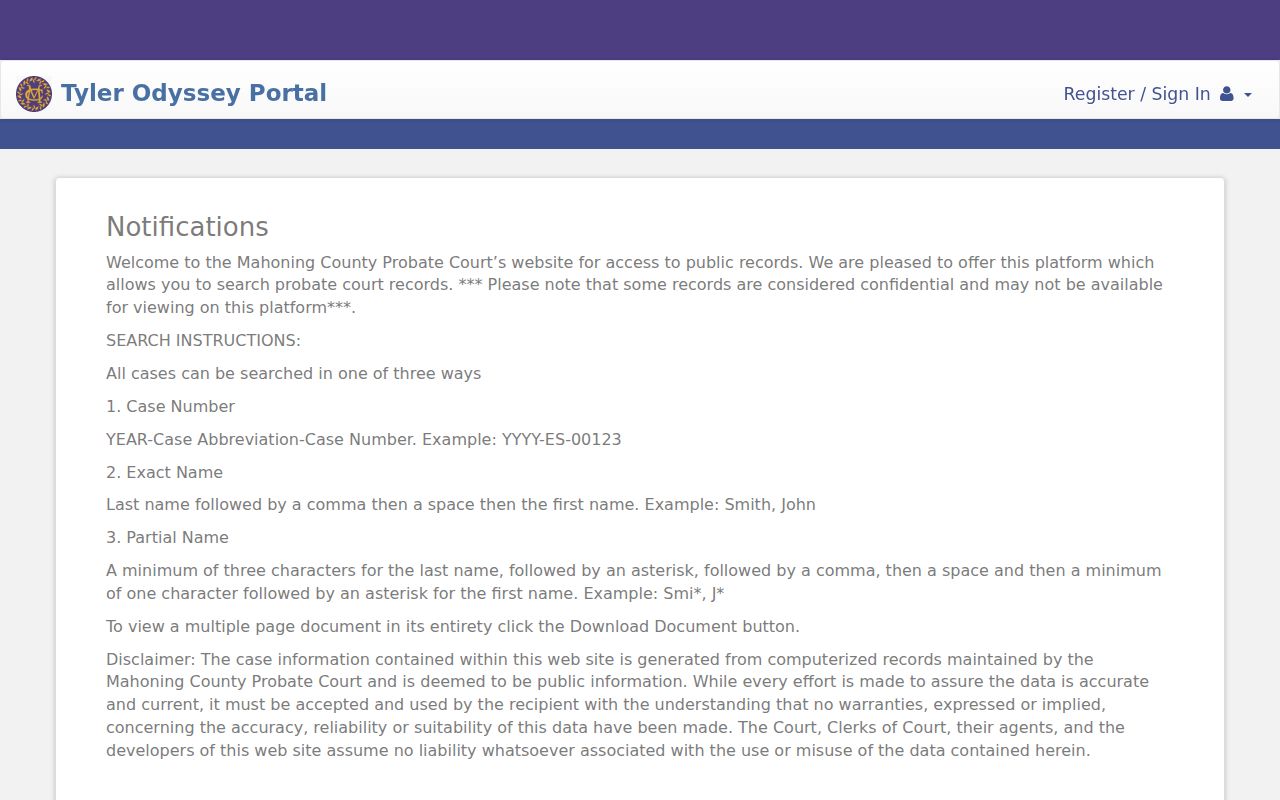
The Probate portal is useful for an estate or marriage-court lead, not for asserting a current home address for a party or heir.
Mahoning County Requests for Existing Records
The Ohio Public Records Act, ORC 149.43, is the fallback when a Mahoning County portal does not hold the needed record. It supports inspection or a request for an existing nonexempt record without requiring the requester to give a reason. It does not require an office to create a new list, disclose exempt material, or bypass a court seal or confidentiality program. A focused request identifies the office, record class, date range, address or case number, and preferred delivery form.
Contact the creator of the record first. The Clerk posts its own copy policy, while Recorder, court, city, and health-office procedures vary. If part of a responsive record is protected, Ohio’s rule is redaction rather than release of the protected data. Counter research, written requests, and library help are all valid access channels when an online index ends.
Read the Ohio Public Records Act before submitting a targeted Mahoning County request.
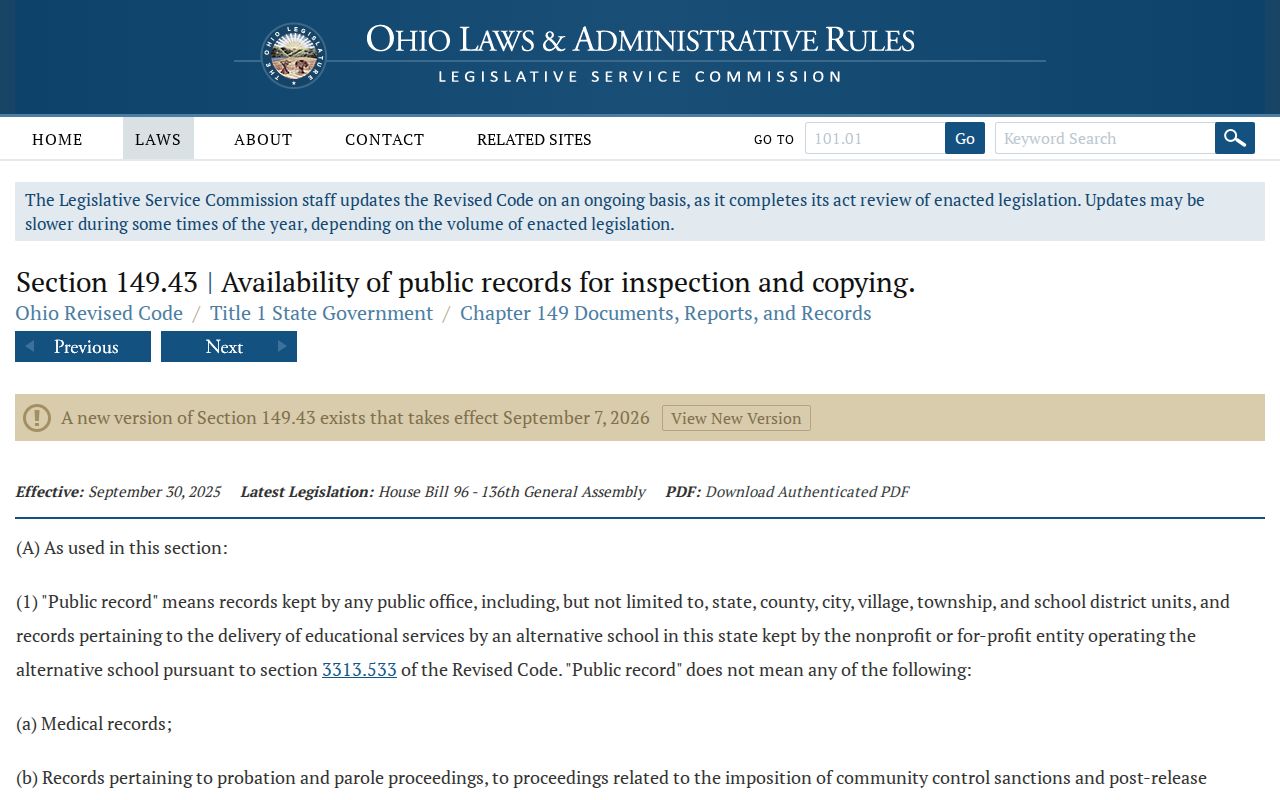
The statute is the access baseline, but each Mahoning County custodian still decides what record it holds and what legal limits apply.
Mahoning County Vital Record Paths
Birth, death, marriage, and divorce records do not come from one Mahoning County counter. Youngstown City Health District Vital Statistics is the local birth and death issuer route identified by the county, while Ohio Department of Health Vital Statistics is the state channel. Mahoning County Probate Court is the issuing office for marriage licenses obtained in the county. Divorce material is handled through the applicable court and Clerk. A certificate can document a life event or kinship; it does not serve as a current-residence record.
ORC 3705.23 governs certified vital copies and includes content restrictions. Mahoning marriage copies have verified mail, in-person, and participating PLYMC branch channels. The Probate Court says to call PLYMC at 330-744-8636 first to confirm an eligible branch; library copies are $3.50 cash only, while court certified copies are $3. Ask the issuing office to confirm current requirements before ordering.
Use Youngstown Vital Statistics for the documented local issuance route.
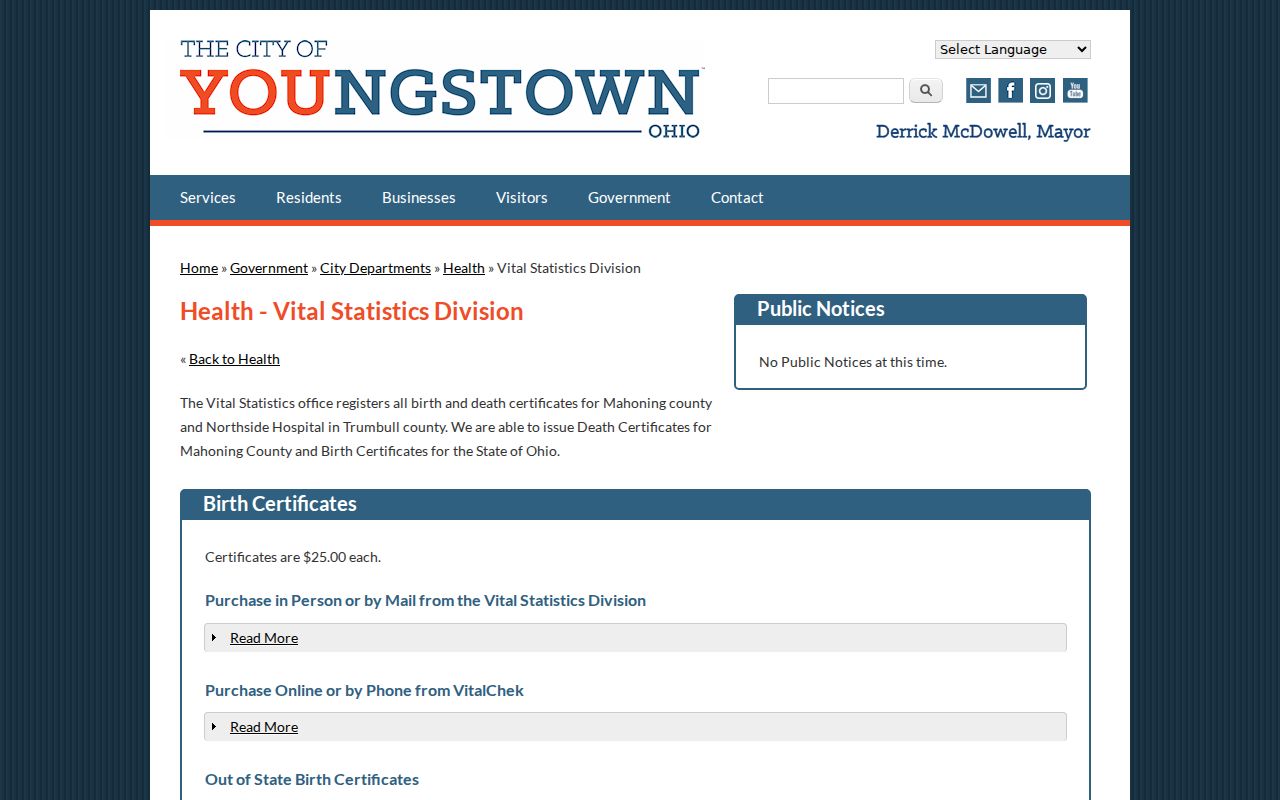
The local vital office is one access channel in the Mahoning County record trail, with separate rules from Probate and the state health department.
Historical Mahoning County Resident Directories
For past Mahoning County households, the Public Library of Youngstown and Mahoning County and the Mahoning Valley Historical Society are the central shelves. MVHS holds Youngstown directories for 1869, 1872, 1875/76, and 1877-present. Many volumes focus on Youngstown, while some reach nearby communities such as Struthers, Girard, Campbell, McDonald, Poland, Canfield, and Lowellville. Cite the volume, page, spelling, and edition year rather than treating one listing as a full biography.
A Burch entry can include a residence, occupation, employer, office, boarding cue, or widow notation. The 1949-50 Burch volume specifically advertises a street and householders directory with telephone information. Those are dated records. They are useful beside census, obituary, map, and deed evidence, but they do not convert an old listing into a present address. The collections and reading method are described in more depth on the Mahoning County City Directories page.
Visit the Public Library of Youngstown and Mahoning County for its local-history and digital-archive starting points.
PLYMC offers the local-history channel needed when a Mahoning County directory year, newspaper run, or microfilm item is not available in a current portal.
Mahoning County Records Before 1985
Mahoning County was organized in 1846 from Columbiana and Trumbull Counties. An event before or near county organization may be held in a predecessor jurisdiction. The county courthouse also moved from Canfield to Youngstown in the nineteenth century. Those custody changes are a research-routing clue, not evidence that a record was destroyed.
Records Management began microfilming in 1971 and says it preserves millions of county records from the 1800s onward, including deeds, mortgages, tax material, and Common Pleas files. It is at 345 Oak Hill Avenue, basement, Youngstown, with weekday hours of 8 a.m. to 4:30 p.m. Early birth, death, and marriage recording was uneven: a ledger covers 1856-57, reporting restarted in 1864, and WPA index cards can miss faded or unreadable entries. A negative early index result needs spelling variants and repository fallbacks.
Note: Mahoning County’s older paper, terminal, microfilm, library, and parent-county routes matter because no online result can establish that a historic record never existed.
Mahoning County Privacy Boundaries
Public-record access does not authorize rebuilding a person profile. Ohio Safe at Home can protect a participant’s address, and confidential voter registration remains withheld. Court identifiers, medical information, DMV data, protected voter fields, and sealed records have separate rules. A missing Mahoning County result can reflect coverage, spelling, jurisdiction, non-digitization, sealing, or confidentiality. It is never an invitation to work around a protection.
ORC 149.45 provides a route for qualifying people to request redaction of personal information from an online public record where practicable. It is not a universal deletion right and does not erase the custodian’s original record. For a commercial data publisher, the researched practical route is that publisher’s own opt-out procedure, which can be site-specific and may need repeating.
Mahoning County Oral History Access
PLYMC’s America 250 “Share Your Story!” project is preserving interviews with Mahoning County residents age 18 and older in the PLYMC Digital Archive through December 2026. It is a current record-creation effort, not a current directory. The project joins older directory volumes, oral histories, cemetery work, maps, and court records as separate ways to place a Mahoning County family or neighborhood in time.
The right source depends on the question. A map can establish parcel or building context. A directory can establish a printed listing for one edition. A recorded document can establish a transaction. Reading those limits together keeps the Mahoning County residents directory useful without making claims the records cannot support.